

Cialis is an increasingly popular alternative to Viagra/sildenafil and is known as ‘the weekend pill’ due to it’s prolonged duration of action (36 hours). The option to take a low dose daily tablet also suits many men. Read in full
News, information and articles on the health, pharmaceutical, medical and wellness industries.
Cialis is an increasingly popular alternative to Viagra/sildenafil and is known as ‘the weekend pill’ due to it’s prolonged duration of action (36 hours). The option to take a low dose daily tablet also suits many men. Read in full
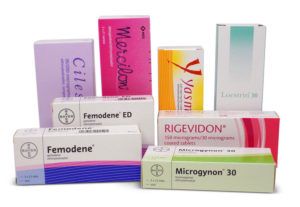 In the UK, nearly a quarter of women aged 16–49 are regular pill users – it’s a popular form of contraception.
There are many pills available and all are very effective. Combined oral contraceptive (COC) pills are over 99% effective and the progesterone only pill (POP) or ‘mini pill‘ is 97% effective – so which one is right for you?
My first consideration is one of practicality. Pills must be taken regularly. For those who work shifts, live between more than one place, are chaotic or prone to forgetfulness, the pill may not be reliable. The COC has more leeway regards missed pills as well as being more effective than the POP, so is usually chosen unless there are specific reasons not to. Read in full
 Both Viagra and sildenafil are widely used to treat erectile dysfunction. In fact, they contain the same active ingredient. Viagra is a brand name for the sildenafil produced and sold by the company Pfizer. Sildenafil is also sold as a generic drug, which is medically identical to Viagra.
Sildenafil citrate was created in 1989 by British scientists Albert Wood and Peter Dunn as a possible treatment for hypertension and angina; conditions associated with coronary heart disease. In 1991 Dr. Nicholas Terrett, now often referred to as the father of Viagra, was named in the British patent for the drug as a heart medication. And though Pfizer’s early trials of the drug in the 1990s did not prove its efficacy as a heart medication, patients who took part in the clinical trials reported increased erections after taking sildenafil. Separate studies provided more information on the biochemical process that causes erections, which helped scientists understand how sildenafil could enhance the effects of sexual stimulation and open up blood vessels in the penis. Sildenafil was then studied in men with erectile dysfunction, and in 1998 it was approved by the FDA specifically for treatment of ED and branded as Viagra. Read in full
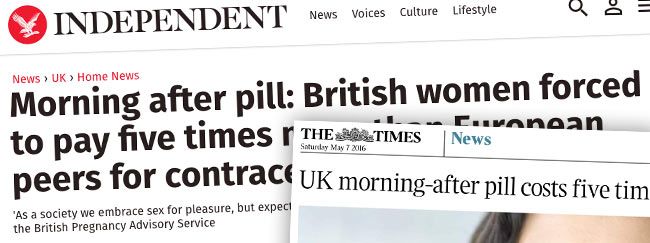
News articles over the weekend (7-8 May 2016) revealed that women in the UK are paying an astonishing five times more for the morning after pill than those in other European countries.
Experts have also expressed outrage at the hoops that must be jumped through to get the drug, calling on the government to make it available off the shelf, as well as reduce the price. Unlike in France, Scandinavia, and the United States, the pill is not available without a consultation; women are required to undergo a consultation and discuss their sex lives with a pharmacist or doctor in order to access the time-sensitive emergency contraception.
High costs and a difficult process to obtain the morning after pill have resulted in what Anne Furedi of the British Pregnancy Advisory Service calls a framework that is “insulting, expensive and does not meet women’s needs”, according to The Independent. Read in full
It is already happening and is just as great an issue as climate change and world hunger. To slow resistance we need to cut overuse and misuse of antibiotics. Read in full
 Cystitis and thrush are not normally serious health conditions, and can be treated with relative ease. A quick round of antibiotics can clear up cystitis, while vaginal thrush can be treated with a single-dose capsule, pessaries or cream. But, anyone who suffers from recurring episodes from either of these conditions can attest that it’s never fun to feel the first pangs of an infection coming on. They can be painful, and it’s a ‘pain’ to have to locate the medicines to treat them.
Certain lifestyle changes can help stave off cystitis and thrush before they start, and if you’re a woman who is prone to one or both of them, it pays to learn more about non-medical preventative measures. Read in full
 Rupert Webster has been kind enough to share these true-life realisations with us, in the hope of helping men in similar situations. ED can wreak emotional havoc on individuals and couples, but knowing that others have been through the same kind of experience can be comforting and informative.
When you have ED, you grieve your sex life
Not being able to get an erection makes you feel like you’ve lost a part of yourself. My mind was flooded with memories of my first time, of the wonderful sex my wife and I had on our honeymoon, of the time we … well, you get the picture. It’s tough to think that it may never be that easy to have sex at the drop of a hat, and you may not ever be able to have sex at all.
My communication was terrible
I was so closed up. I really was. The first time I couldn’t perform I just pretended it had never happened. The next day it was business as usual. We started our day with a cup of tea and breakfast, a quick kiss goodbye. After several weeks it became apparent that I still couldn’t get an erection – yet I still couldn’t bring myself to speak about it. I didn’t even try to get treatment. My wife was no doubt going through her own range of emotions, but she, like me, was withdrawn. Even after 17 years of marriage neither of us felt comfortable enough to talk about it. Read in full
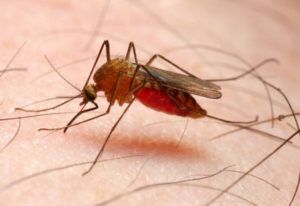 As we’ve seen in recent news, travelling to a country where disease-carrying mosquitos thrive can have lasting repercussions. The Aedes mosquito is responsible for the transmission of viruses like Dengue, Chikungunya, and Zika. Malaria, on the other hand, is transmitted by the Anopheles mosquito, and it isn’t a virus.
Malaria is a caused by the Plasmodium parasite, which is picked up from infected people by female mosquitos. When the mosquito bites again, it transmits the parasite, now mixed with the mosquito’s saliva, to the blood of its victim.
There are four types of human malaria, of which the deadliest is Falciparum malaria, which is responsible for close to one million deaths in Sub-Saharan Africa every year.
Malaria symptoms usually come on one to two weeks after being bitten, and are flu-like in nature. They include fever, chills, vomiting and headaches. If the person does not receive proper treatment the parasite can be deadly, killing the host by destroying red blood cells and obstructing the arteries. Read in full

