
HRT menopause treatment
HRT available for eligible women aged 45-65. Treatments available: gels, sprays, patches.
Read medical information and answer medical questions to buy treatment online.
HRT/Menopause medication
PricesAll medication supplied is UK licensed.
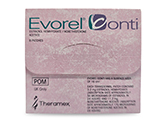
Evorel conti (HRT patches - Continuous combined oestrogen / progestogen)
8-24 patches from £24.50
Buy treatment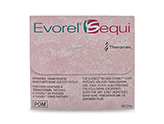
Evorel sequi (HRT patches - Cyclical combined oestrogen/ progestogen)
8-24 patches from £26.50
Buy treatment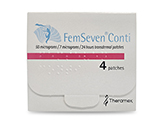
Femseven conti (HRT patches - Continuous combined oestrogen / progestogen)
4-8 patches from £32.95
Buy treatment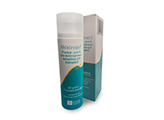
Prices
| Patches | |||||
|---|---|---|---|---|---|
| Name | 4 patches | 8 patches | 12 patches | 16 patches | 24 patches |
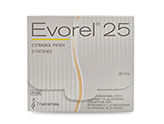
| Evorel 25 | n/a | £12.50 | n/a | £23.50 | £36.95 |
| Evorel 50 | n/a | £13.50 | n/a | £25.50 | £36.95 |
| Evorel 75 | n/a | £13.50 | n/a | £25.50 | £36.95 |
| Evorel 100 | n/a | £13.95 | n/a | £26.95 | £36.95 |
| Evorel Conti | n/a | £24.50 | n/a | £47.50 | £64.00 |
| Evorel Sequi | n/a | £26.50 | n/a | £51.50 | £83.00 |
| Femseven Conti | £32.95 | £60.95 | n/a | n/a | n/a |
| Transdermal spray and gel | ||||
|---|---|---|---|---|
| Name | Type | x1 | x2 | x3 |
| Oestrogel | 80g Pump-pack topical gel | £22.00 | £40.00 | £60.00 |
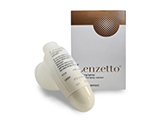
| Lenzetto | 56 doses topical spray | £18.75 | £36.00 | £62.50 |
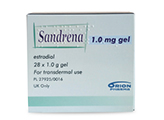
| Sandrena 0.5 | 28 x 0.5ml topical sachets | £16.95 | n/a | n/a |
| Sandrena 1.0 | 28 x 1.0 topical sachets | £25.95 | n/a | n/a |
| Oral capsules (contains peanut/soy) | |||
|---|---|---|---|
| Name | 30 capsules | 60 capsules | 90 capsules |
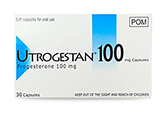
| Utrogestan | £27.50 | £50.00 | £64.00 |
Prescription issued online - small prescription fee per order.
Prescription fees
Dr Fox supplies medicine on prescription and charges a small prescription fee based on the order value of each prescription.
Prescriptions are issued by our doctors online and sent electronically to our pharmacy.
| Order value | Prescription fee |
|---|---|
| up to £10 | £1.00 |
| up to £20 | £2.00 |
| up to £40 | £3.00 |
| over £40 | £4.00 |
If you have your own private or NHS paper prescription please post to our pharmacy (details).
Dr Fox prices are 25%–50% lower than other UK online clinics.
Delivery charges
UK delivery only: £2.90 per consultation via Royal Mail Tracked 24 (1-3 working days with tracking).
Parcel forwarding services are not permitted. Use only UK home or work delivery address.
Returns and refunds - unwanted items can be returned within 14 working days for a full refund.
Medical information
Written and reviewed by a team of doctors. Dr Fox is regulated by the CQC & GPhC.
What is the menopause?
The menopause is when a woman stops her periods for over a year due to reducing oestrogen levels. This usually happens between the ages of 45 and 55, and there are often a variety of symptoms as the hormone level drops. At least 75% of women have some symptoms, and for many women these symptoms are very troublesome and can seriously affect quality of life.
What is the perimenopause?
Menopausal symptoms often start in the 40s or 50s, before periods have completely stopped as oestrogen levels gradually fluctuate downward. This is the perimenopause and the monthly cycle may initially shorten, but then get longer and more irregular. The periods can also become much heavier, before getting lighter and eventually stopping.
Premature or early menopause
Menopausal symptoms and stopping periods before age 40 is premature menopause and before age 45 is early menopause. If this applies to you, it is important to discuss this with your GP, who may arrange blood tests to confirm the diagnosis.
Symptoms of the menopause
Symptoms of the menopause can last for 7 years and sometimes much longer. Not every woman will have every symptom, but here are some which can occur:
- Hot flushes - sudden feelings of heat mainly over the face, neck and chest, causing redness and sweating lasting a few minutes.
- Night sweats - flushes during the night, can drench nightclothes.
- Insomnia and sleeping difficulties - can be linked to flushes and sweats.
- Tiredness.
- Difficulties with concentration, 'brain fog', memory issues.
- Low mood, mood swings, irritability, anxiety.
- Migraine.
- Loss of confidence and self worth.
- Weight gain or changing body shape.
- Joint stiffness, general aches and pains.
- Hair thinning and loss.
- Increase in facial hair.
- Adult onset acne, other skin changes.
- Frequent urine infections/ cystitis.
- Vaginal dryness.
- Pain/ discomfort during sex.
- Reduced libido (sex drive).
- Palpitations.
- Tinnitus and dizziness.
Diagnosing the menopause
In the past, doctors would often take a blood test to confirm that a woman was menopausal before prescribing HRT. Menopause and perimenopause are now diagnosed on symptoms alone in women over 45 years old.
Hormone Replacement Therapy (HRT)
Hormone replacement therapy is exactly what it says it is! It is medication which replaces the oestrogen hormone which is lacking in a woman's body around the menopause. HRT will usually relieve many of the symptoms of the menopause and improve symptoms within 3 months of starting, with an aim to improve symptoms by 70-80%.
Is HRT right for me?
Not every woman needs to take HRT and taking HRT is a very personal decision. It should only be used to treat troubling symptoms and is most often taken by women for around 5 years, starting in the perimenopausal period. However, there are a few risks as well as many benefits, which all need to be considered carefully before starting HRT.
The benefits of HRT
HRT is the most effective treatment for hot flushes and night sweats and most other menopausal symptoms. Once you are established on the correct regime, your symptoms should improve.
In the longer term HRT helps to prevent bone loss, and hence gives protection from osteoporosis. It is also thought to offer protection from heart disease as it has a favourable effect on cholesterol.
Safety of HRT
Blood clots (thrombosis)
Taking oestrogen in HRT tablets is known to be linked with a slight increase in the risk of developing blood clots. Using patches, sprays or gels, does not affect the risk of developing blood clots as oestrogen is safer when absorbed through the skin. The patient information leaflets within the product packaging list these risks due to generic warnings for all hormone products. These generally apply to oral HRT tablets. If you have a strong family history of clots or a hereditary thrombophilia then it is advised to speak to a menopause specialist before commencing on any HRT.
HRT and Cancer
Endometrial (womb lining) cancer
Oestrogen can cause thickening of the endometrium and possibly cancer. Therefore, unless you have had a total hysterectomy (surgical removal of the womb and cervix), a progestogen to protect the womb must always be used as well as oestrogen(combined HRT). If there is irregular vaginal bleeding at any time after six months of starting HRT, or after 3 months of a dose or product change, this must be checked with your usual doctor as it may be an indication of over thickening of the womb lining.
Breast cancer
In women over 50 using combined HRT, there is a small increased risk of breast cancer, around 5 extra cases of breast cancer in every 1000. The risk increases the longer combined HRT is taken and the older you are and gradually reduces after stopping HRT. Women using HRT should be "breast aware" meaning that they regularly check their own breasts for changes and consult their GP about any lumps and attend breast cancer screening when invited.
Ovarian cancer
It may be that taking HRT contributes to up to one extra case per 1000 users which is less than 1% of all ovarian cancer diagnoses. Ovarian cancer can be difficult to diagnose as the symptoms are often vague. Consult a GP if you are concerned.
A research paper published in 2026 showed no increase in deaths in women taking HRT.
Is there anyone who cannot take HRT?
Even though HRT replaces the natural loss of oestrogen, there are some women who should not take it because of the increased health risks. These conditions include:
- Breast cancer or any other hormone dependent cancer, active or past, or increased risk of these.
- Vaginal bleeding that hasn't been investigated by a doctor.
- Thickening of the womb lining (endometrial hyperplasia).
- Strong family history of blood clots.
- A disorder that increases risk of blood clots eg thrombophilia.
- Heart attack, angina or stroke.
- Active liver disease.
- Porphyria.
- Pregnancy or breast feeding.
Dr Fox is unable to prescribe HRT if these apply. Please discuss treatment options with your regular doctor.
HRT may affect other conditions which include:
- Endometriosis.
- Systemic Lupus Erythematosus.
- Diabetes.
- Underactive thyroid.
- Migraines or severe headaches.
- Fibroids (of the womb).
- Epilepsy.
- Asthma.
If you have these conditions and are eligible to start HRT you should ensure your usual healthcare provider is aware in case extra monitoring is required and stop HRT and seek review if you develop symptoms from these.
Other medications and HRT
There is a possibility that some medicines may affect the absorption of HRT and trigger irregular bleeding. HRT can also interfere with the action of some other medications making them less or more effective. Medication checks are carried out in the online medical assessment to ensure if it is safe for you to take.
Types of HRT
There are a large variety of different types of HRT and the choice can be bewildering!
- Oestrogen only HRT - for women who have had a hysterectomy or have an active Mirena IUS (or other 52mg levonorgestrel coil eg Benilexa or Levosart).
- Sequential (or cyclical ) combined HRT - for women who had a period* within the previous 12 months under age 54. Treatment includes oestrogen plus progestogen for part of the month which is needed to protect the womb from overthickening and womb cancer. Regular bleeding continues.
- Continuous combined HRT - for women who have not had a period for over 12 months or aged over 54. Treatment includes oestrogen and progestogen throughout the month and there should be no regular bleeding once your body has settled on the HRT (after 6 months).
*If on contraception that stops your periods it is usually recommended to use cyclical HRT for 5 years or until age 54. You can try continuous combined HRT but should be aware that this may cause irregular bleeding and if this continues for more than 3 months you should change to sequential /cyclical combined HRT.
Available as:
- Patches.
- Spray or gel.
- Progestogen tablets.
- HRT tablets (Not available from Dr Fox, please speak to your regular doctor if required).
For some women with only vaginal or urinary symptoms, a vaginal oestrogen treatment rather than full HRT may be enough to control symptoms.
How to choose an HRT product
Individual preference between taking oestrogen as pills, or using a skin gel, spray or patch (transdermal HRT) is usually a women's own choice. However transdermal HRT is considered safer and recommended for the following women:
- Over 60 years of age.
- Increased risk of blood clots.
- Overweight (BMI >30).
- History of migraine.
- High or variable blood pressure.
- Gall bladder disease.
- Under active thyroid (hypothyroidism).
- Taking other medication that may affect absorption of HRT.
- Malabsorption syndromes.
- Poor control of menopausal symptoms with oral HRT.
How to use HRT
HRT replaces oestrogen in the body and should be used daily. You should start on a low dose of HRT and if symptoms are not controlled after taking it for 2-3 months, try the next dose up. If symptoms are not controlled on the medium dose then further discussion with your GP or a menopause specialist is recommended. Do not take the maximum oestradiol dosage (or more) without checking with a doctor first as this could increase your risks which are outlined above and cause more side effects. The lowest dose of HRT that controls symptoms should be used.
When first starting a sequential HRT, if you are still having regular periods, it is best to start the HRT at the beginning of a period, to tie the HRT cycle in with your natural cycle. If your periods are no longer regular, then the HRT can be started at any time.
Oestradiol dosage chart
| Ultra low | Low | Medium | High (Unavailable from Dr Fox) | |
|---|---|---|---|---|
| Oral | 0.5mg | 1mg | 2mg | 3-4mg |
| Patch | 12.5mg | 25mg | 50mg | 75-100mg |
| Gel pump | 1/2 pump | 1 pump | 2-3 pumps | 4 pumps |
| Sandrena satchet | 0.25mg | 0.5mg | 1-1.5mg | 2-3mg |
| Spray | 1 spray | 2 sprays | 3 sprays | 4-5 sprays |
Patches and topical HRT should not be applied close to the breasts or genitals.
Swapping to no-bleed (continuous combined) HRT
You should swap to continuous combined HRT after 5 years of taking sequential HRT or by age 54 (whichever comes sooner). If you are taking sequential HRT at any age, and periods have stopped for over 12 months, you can swap to continuous period free HRT. If continuous HRT is used too soon then irregular vaginal bleeding often occurs.
When to stop taking HRT
Stop HRT immediately and consult a doctor if any of the following occur:
- Allergic reaction
- Jaundice- yellow eyes or skin
- Sudden raised blood pressure
- First ever migraine type headache
- Pregnancy
- Suspected blood clot which may cause swelling in one leg, sudden chest pain, sudden breathing difficulty
- Sudden new serious eye problems.
Coming off HRT
HRT can be taken for as long as needed and coming off HRT is an individual choice.Once a woman's menopausal symptoms have settled with HRT, It is common to continue for 2-5 years, before considering a gradual reduction in the dose, and then stopping to see if symptoms have improved.
How to come off HRT
Reduce the daily dose every 3 to 4 weeks, going down to the lowest dose available and then halve that dose (by splitting tablets, patches or using half the amount of gel or spray) before stopping completely. Even gradually reducing the dose, there will be a few women who have a return of symptoms and struggle to stop HRT. However, by coming off gradually, most women will be able to stop without any significant symptoms occurring.
Potential side effects of HRT
It is uncommon for women to stop HRT because of side effects. Any hormone related side effect will usually settle within 6-8 weeks. The most common side effects are breast tenderness, nausea and irregular vaginal bleeding. If these don't settle within 6 months then consider changing HRT or discuss with your GP.
If using a skin (topical) HRT product, then skin allergy reactions may develop and you should stop and change to an alternative HRT product.
Further side effect information can be found in the manufacturers Patient Information Leaflet, enclosed with your medication.
Other ways to help with menopausal symptoms
- Healthy diet, low in saturated fats and salt and high in calcium and vitamin D.
- Regular exercise.
- Reduce alcohol intake.
- Stopping smoking.
- Losing weight.
- Cognitive behavioural therapy.
- Vaginal moisturisers.
Contraception and HRT
HRT is NOT a contraceptive and if required contraception should be used until age 55 or for 2 years after your periods have stopped under 50 and for 1 year after 50. Please note that if you are already taking hormonal contraception, absence of bleeding/ periods is not reliable, therefore contraception should be continued until age 55.
Regular HRT Checks
It is important to have an HRT check at least once a year which can be done with your usual GP, or by completing our medical assessment questions. Risks increase with age so Dr Fox limits HRT prescriptions to women under 65. Further discussion with your usual doctor is advised if you wish to continue it after this age. Vaginal oestrogens are not considered full HRT but can help with urinary and vaginal symptoms and be used safely for longer.
Women ordering HRT from Dr Fox are requested to provide GP details and consent to a notification letter being sent to inform their GP.
Further information
Useful resources for women on menopause:
- Rock My Menopause
- Menopause Matters
- Women's Health Concern or WHC factsheets and other helpful resources
- WHC - HRT Benefits versus risks versus
- NHS - Menopause
- The Decision-Making Guide to taking HRT: Deborah Lee
This page written and reviewed by doctors

Authored 16 April 2026 by
Dr
Claire Pugh
MB ChB University of Liverpool 2000. NHS GP and GP appraiser. GMC no. 4712688
Reviewed by
Dr J. Tweedie,
Dr
B. Babor
Last reviewed 16 April 2026
Last updated 2 October 2026
Editorial policy
References
- BMS, 2026, British Menopause Society accessed on 16 April 2026
- NICE, 2025, Hormone replacement therapy, accessed on 16 April 2026
- British Menopause Society, 2022, Looking at HRT in perspective, accessed on 16 April 2026
- questions
- Choose
- order
- HRT/menopause treatment available for eligible women aged 45 to 65.
- Vaginal oestrogen available on separate consultation for women aged 45+.
- Unavailable from Dr Fox for trans women as different monitoring and doses are required.
- Please choose only one product containing oestrogen (eg spray, gel, patch) as only one should be used at a time so can not be ordered together.
Answer medical questions to order(hrt/menopause treatment)
Honest & accurate responses are necessary for safe medical assessment
The order process
Choose medication, register, and pay
Dr Fox issues prescription online
Pharmacy team post medication direct