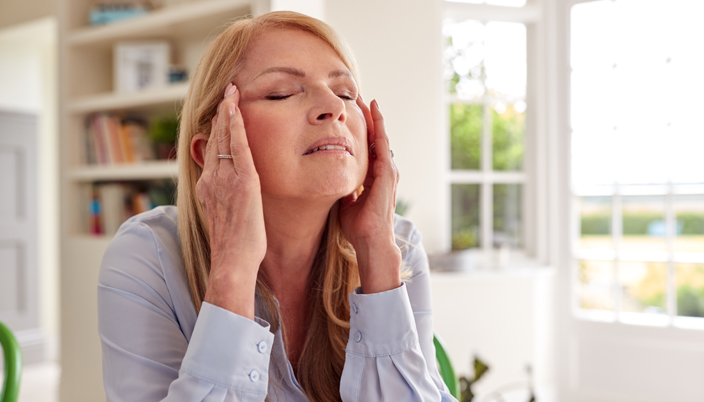
For many women, menopause brings changes that can affect everyday life. Hot flushes, poor sleep, low mood, vaginal dryness and changes in concentration are just some of the symptoms associated with fluctuating and erratic hormone levels.
While lifestyle measures can help some women manage these changes, others may wish to consider medical treatment. One of the most commonly prescribed treatments is Hormone Replacement Therapy (HRT).
Although HRT has been available for many years, there are still plenty of questions surrounding how it works, who it may be suitable for and the different forms available.
This guide explains the basics of HRT, helping you understand the treatment options available and the conversations you may wish to have with your healthcare professional.
What is Hormone Replacement Therapy?
Hormone Replacement Therapy, commonly known as HRT, is a treatment that replaces some of the hormones the body naturally produces before menopause.
During perimenopause and menopause, the ovaries gradually produce lower amounts of oestrogen and progesterone. These hormonal changes are responsible for many of the symptoms women experience.
HRT works by replacing these hormones to help manage symptoms associated with menopause.
The treatment prescribed depends on several factors, including your age, medical history, whether you still have a womb and the symptoms you’re experiencing.
Many people use the terms menopause and perimenopause interchangeably, but they describe two different stages of a woman’s life.
Understanding the difference can help explain why symptoms may begin years before your periods stop and why your experience may change over time. Knowing which stage you’re in can also help you have more informed conversations with a healthcare professional about symptom management and treatment options.
What is perimenopause?
Perimenopause is the transition leading up to menopause.
During this stage, the ovaries gradually begin producing lower and more fluctuating levels of hormones, particularly oestrogen and progesterone. These hormonal changes can lead to a wide range of physical and emotional symptoms.
Although hormone levels are changing, women in perimenopause usually continue to have periods, although these often become less predictable.
For many women, perimenopause begins in their 40s, although the exact timing varies.
Many women expect symptoms of the menopause to begin once their periods stop. In reality, the hormonal changes leading up to menopause often begin much earlier. This stage is known as perimenopause, and it can last for several years before menopause officially occurs.
Because the symptoms develop gradually and often affect many different parts of the body, perimenopause is frequently mistaken for stress, ageing, or simply being “run down”. Understanding the early signs can help you recognise what may be happening and explore the treatment options available.
What is perimenopause?
Perimenopause is the transition leading up to menopause.
During this time, your ovaries gradually produce lower levels of oestrogen and progesterone. These hormonal changes can affect many different systems throughout the body, resulting in a wide range of symptoms.
Unlike menopause, which is defined as having no periods for 12 consecutive months, women in perimenopause often continue to have menstrual cycles, although they may become less predictable.
For many women, this stage can begin in their 40s, although the exact timing varies. If menopause symptoms begin before the age of 45, it’s important to speak to your GP, as this may need further assessment.