
Travelling to high-altitude destinations can be an incredible experience, but it also comes with unique physical challenges. Altitude sickness can affect anyone, regardless of fitness level.
Understanding how it works can help you prepare effectively.
What Is Altitude Sickness?
Altitude sickness occurs when the body struggles to adapt to lower oxygen levels at higher elevations.
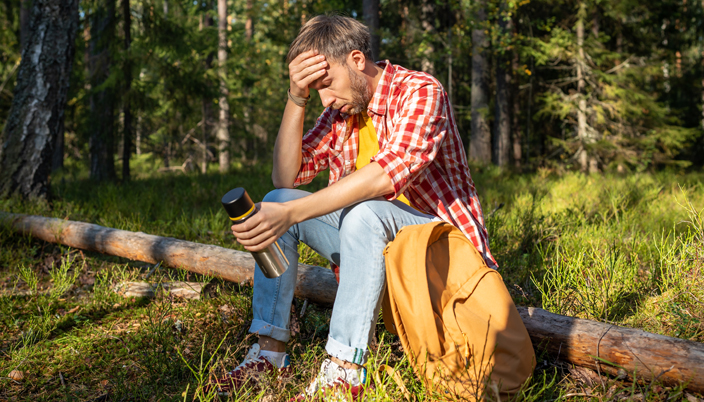
Symptoms may include:
- Fatigue
- Headaches
- Dizziness
Why It Can Affect Anyone
Even experienced travellers can be affected. The body needs time to adjust, and rapid ascent can increase the likelihood of symptoms.
Altitude Sickness Checklist
Research Your Destination
- Know elevation levels
Plan Gradual Ascent
- Allow time for adaptation
Stay Hydrated
- Hydration supports overall wellbeing
Be Aware of Symptoms
- Recognize early warning signs
Consider medication to help the body to acclimatise
- Acetazolamide tablets started 24-48 hours before an ascent to an altitude above 3000m can help the body adjust and minimise symptoms
Understanding Your Body’s Response
Your body adapts over time, but rushing the process can increase discomfort. Awareness and pacing are key.
Conclusion
Altitude sickness can be unpredictable, but preparation can make a significant difference. Knowing what to expect allows you to travel more confidently.
If you would like more information about altitude sickness, please visit our altitude sickness page, where you can access more information and links to treatments.