In this latest video, our clinical Pharmacist Abraham Jacobson Khodadi discusses 5 medications that can ruin your sex life.
One of the biggest mistakes I see in practice is men blaming age, stress, or low testosterone for weaker erections, when sometimes the real cause is sitting right there in their medicine cabinet. As an Advanced Clinical Practitioner and pharmacist, I’m going to show you five medications that can quietly ruin your sex life, how they do it, and the patterns I see most often in practice.
Do not stop any prescribed medication on your own. But if your erections changed after starting one of these, that timing matters, and it is absolutely worth a conversation with your provider. I’ll also touch on some options that may cause fewer erection problems, but any switch should be decided with them.
In this latest video, our clinical Pharmacist Abraham Jacobson Khodadi discusses how to have stronger erections, what actually helps and what medications can help you.
There are 3 things I’d do straight away to help with stronger erections, and as a certified Advanced Clinical Practitioner, it’s exactly what I tell ED patients in clinic.
Starting today, don’t treat erectile dysfunction like it’s “just in your head” or “just testosterone” — I’m going to show you the 3-part erection pathway I use with patients, because when you know which part is failing, the fix becomes obvious.
Stay with me, because we’ll go through what actually helps first and when medication makes sense.
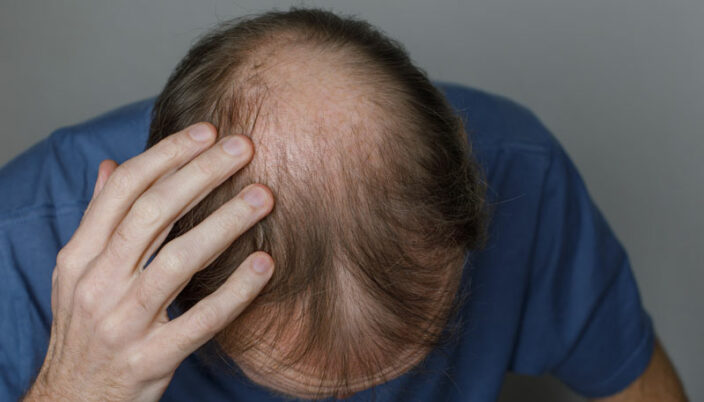
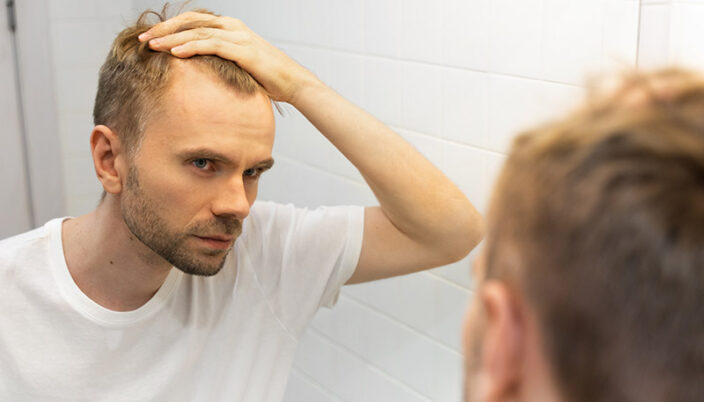
Male hair loss is incredibly common, but that doesn’t make it any less frustrating. Whether you’re noticing thinning on the top of your head, a receding hairline, or more hair shedding than usual, understanding what’s happening is the first step to managing it.
In this guide, we answer the most searched questions around male hair loss — including what causes it, whether stress plays a role, and what treatments are available.
What are the main reasons for male hair loss?
The most common cause of male hair loss is male pattern baldness, also known as androgenetic alopecia.
This condition is driven by a hormone called DHT (dihydrotestosterone). DHT is a derivative of testosterone and drives male development, including prostate growth, libido, voice deepening, and body hair. However it can also cause hair follicles that are susceptible to it, to shrink and the hair growth cycle to shorten.
Over time, this leads to:
Thinner, weaker hair
Slower regrowth
Eventually, hair stopping growing altogether
Genetics play a major role, as how sensitive the hair follicles are to DHT is largely inherited, which means if hair loss runs in your family, you’re more likely to experience it too.
Age is another factor, as hair growth naturally slows down over time.
You’ve probably been told erectile dysfunction only happens as men get older – but that’s not true. Erectile Dysfunction can affect men of any age, and it’s far more common than people realise.
In this latest video, our clinical Pharmacist Abraham Jacobson Khodadi shows you what’s really happening in the body, the most common causes, how lifestyle changes can improve it, and what to know about treatments!
Erectile dysfunction (ED) is common and treatable. One of the most widely used medications is sildenafil — the generic form of Viagra. In this guide, we break down everything you need to know about sildenafil in clear terms, just like you’d expect from Doctor Fox.
What Is Sildenafil?
Sildenafil is a prescription medicine that helps men with erectile dysfunction achieve and maintain an erection suitable for sexual activity. It belongs to a group of drugs called PDE5 (phosphodiesterase type 5) inhibitors and is widely prescribed in the UK.
As the generic form of Viagra, sildenafil contains the same active ingredient and works in the same way — but is usually much more affordable.
You’ve probably been told bloating just happens after certain meals – but that’s not true.
In this latest video, our clinical Pharmacist Abraham Jacobson Khodadi shows you step-by-step how to reduce bloating, what gets rid of bloating, and how to improve digestion using simple science-backed changes that give real relief from bloating and gas.
Finasteride is one of the most commonly prescribed treatments for male pattern hair loss, but how effective is it at encouraging regrowth? For those concerned about thinning hair or a receding hairline, it’s natural to ask whether the medication can restore density, prevent further shedding, and what side effects may occur.
This blog explains how finasteride works, what results can realistically be expected, and addresses common questions such as whether it can help regrow hairline, can it cause weight gain, and can it cause hair loss.
How Finasteride Works
Finasteride 1mg reduces levels of dihydrotestosterone (DHT), the hormone responsible for shrinking hair follicles in men with androgenetic alopecia. By lowering DHT levels in the scalp, the medication helps prevent further hair loss and can promote regrowth where follicles remain active.
It is taken once daily and is intended for long-term use.
Erectile dysfunction (ED) is a common condition affecting men of all ages, though it becomes more frequent with age. It involves difficulty achieving or maintaining an erection firm enough for sexual activity. For some men, it happens occasionally and resolves on its own, but for others it can become a persistent issue that affects confidence, relationships, and overall wellbeing.
Alcohol is a recognised contributor to erectile difficulties. While moderate drinking may not cause long-term harm, excessive or frequent alcohol use can interfere with sexual function in several ways. Understanding how alcohol affects erections can help men make informed decisions about their health and seek appropriate support when needed.
This article explores the impact of alcohol on erectile function, the difference between short-term and long-term effects, and how services like Dr Fox can assist men experiencing ongoing symptoms.
How Alcohol Affects Sexual Function
Alcohol acts as a depressant on the central nervous system. Even though small amounts can create a temporary sense of relaxation or confidence, alcohol reduces how well the nerves work and slows reaction times throughout the body. This can interfere with sexual arousal and physical responses.Alcohol also affects blood vessels. Erections depend on increased blood flow to the penis. Alcohol can cause blood vessels to dilate excessively or reduce the body’s ability to maintain adequate pressure, making it harder to achieve or sustain an erection.
Hormonal balance can be influenced too. Long-term alcohol use may reduce testosterone levels, which can affect libido and erectile function.