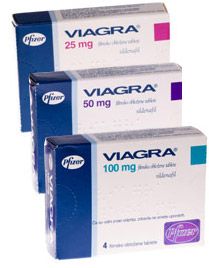
Viagra/sildenafil side-effects, interactions and cautions
As Viagra and sildenafil are medically the same, they have the same side-effects and interact with other medicines in the same way. The same cautions apply to their supply.
Easy to read guidance is provided by manufacturers and supplied with the tablets: Patient information Leaflet of Viagra.
If in doubt about a medicine, ask your GP or pharmacist or one of the online clinics who supply it.
Erectile dysfunction (ED) is commonly associated with older men, but in recent years it has emerged that a large proportion of younger men suffer from it too. A 2013 study by Capogrosso revealed that 25% of men seeking treatment for ED were under 40, which highlights that there are other triggers for the condition besides age.
While ED is a sensitive topic whatever your age, there is evidence to suggest that embarrassment may prevent the majority of young sufferers from seeking medical help.
A 2006 anonymous survey by the Chicago Children’s Memorial Hospital, of 234 male students (aged 18-25) at three Chicago universities, revealed that while 13% reported “difficulty getting or keeping an erection,” only 1 of those 29 men had discussed their problem with a doctor. The number of those self-medicating was worryingly much higher, with several men admitting to taking ED medication without a prescription.
So what are the reasons behind young men developing the condition and is it possible to cure? Read in full
The recent news coverage of a doctor who forged prescriptions of Viagra because he was too embarrassed to go to his GP, has highlighted the stigma often attached to erectile dysfunction.
The doctor, who worked at Ystrad Fawr Hospital, faked £340.67 worth of prescriptions because he was going through ‘marital difficulties’. Staff became suspicious because he worked in an orthopaedic unit where patients would not need Viagra.
He was ordered by the court to pay £347 for the Viagra and £2,561 for the cost of the NHS investigation.
The case raises the ongoing dilemma of men who suffer from ED. It’s also reasonable to suggest that, if a doctor is embarrassed about it, then a lot of other men suffering from impotence are too. Read in full
It’s a well-known, widely accepted and statistically-proven fact that smoking is bad for you. It can cause high blood pressure, asthma, emphysema, coronary thrombosis, rapidly ages your skin, and can cause various types of cancer.
In the UK, smoking causes more than 100,000 deaths each year and has the long-term effect of causing many more. On average, one cigarette shortens a smoker’s life by about 11 minutes and smoking can reduce the average life expectancy by approximately seven to eight years. Read in full
Smoking is bad for you: fact. Amongst other things, it causes lung cancer, high blood pressure, emphysema and prematurely ages your skin.
The New Year is a great time to make resolutions: fact. You can set yourself personal goals, kick old habits and feel better about yourself.
So why not combine the two and make giving up smoking your new year’s resolution?
You’ve probably wanted to give up smoking for some time, and there are plenty of mobile apps designed to make that nicotine comedown easier and facilitate your desire to kick that 20-a-day habit.
And when you realise that more than 100,000 people every year die of smoking-related diseases and a cigarette shortens your life by 11 minutes, it’s enough to make you abandon the Lambert and Butlers.
Here are 10of the best mobile apps to help you say a final farewell to those negative nicotine sticks. Read in full
Erectile Dysfunction (ED) is a common problem that affects a lot of men. It is estimated that half of all men between 40 and 70 will suffer from it to some extent. ED can occur for numerous different reasons, including anxiety, depression, obesity, and drinking, and can today be effectively combated with a variety of treatments such as therapy, penile pumps and Viagra.
Erectile Dysfunction isn’t a modern male phenomenon. In fact, the condition goes back for thousands of years – and throughout history the condition has been blamed on a cornucopia of culprits, from the curse of the gods to yin-yang imbalances.
It hasn’t always been as simple as popping a blue pill, or a getting a prescription from your GP. Here are some of the wildest, weirdest and most wonderful attempted cures for male flaccidity through the ages. Read in full
Malaria is a disease that has been around for more than 4,000 years and is still causing major concern throughout the world. As a longstanding thorn in humanity’s side, it has led to a cornucopia of attempted discoveries, remedies and cures.
What is malaria?
Derived from the Italian for ‘bad air’, malaria is one of the most prevalent and dangerous diseases on the planet that has affected – and killed – hundreds of thousands of people throughout history. Read in full
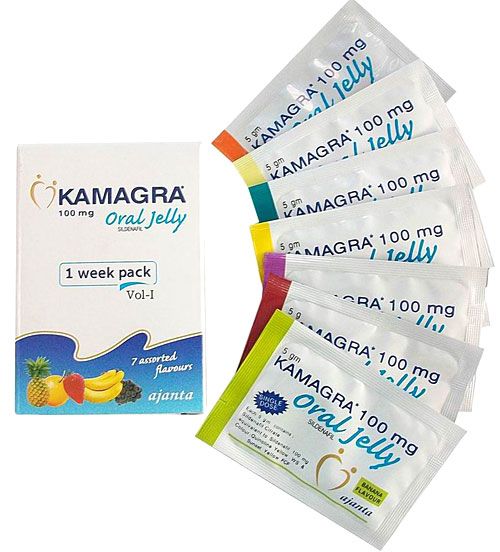
Kamagra oral jelly is the most high-profile and popular fast-acting Viagra substitute found on the internet – but is it safe to buy online? Kamagra is produced by Ajanta Pharma in India, a modern pharmaceutical company with a high level of standards and manufacture. Kamagra contains the same active ingredient, sildenafil citrate, as Viagra and is available as an oral jelly, chewable tablet, and effervescent tablet, and comes in various flavours. Sildenafil tablets 50p each
Is Kamagra safe/legal to buy?
Genuine Kamagra is theoretically as safe as any other form of erectile dysfunction medication (Viagra/sildenafil, Cialis/tadalafil, Levitra/vardenafil), however it is not currently licenced for sale in the UK, and therefore not legal to buy or sell in the UK.
No regulated supply chain
Because it is not legal in the UK there is no regulated supply chain to ensure the end user receives a genuine product and not a fake counterfeit. This is a very important point to consider. All licenced medicines sold by Dr Fox are supplied from a UK pharmacy registered with the GPhC. All stock is sourced from reputable and regulated drug wholesale suppliers in the UK. This regulated process ensures the end user receives genuine products. Read in full

 Erectile dysfunction (ED) is commonly associated with older men, but in recent years it has emerged that a large proportion of younger men suffer from it too. A 2013 study by Capogrosso revealed that
  The recent news coverage of
  It’s a well-known, widely accepted and statistically-proven fact that smoking is bad for you. It can cause high blood pressure, asthma, emphysema, coronary thrombosis, rapidly ages your skin, and can cause various types of cancer.
 Smoking is bad for you: fact. Amongst other things, it causes lung cancer, high blood pressure, emphysema and prematurely ages your skin.
 Erectile Dysfunction (ED) is a common problem that affects a lot of men. It is estimated that half of all men between 40 and 70 will suffer from it to some extent. ED can occur for numerous different reasons, including anxiety, depression, obesity, and drinking, and can today be effectively combated with a variety of treatments such as therapy, penile pumps and Viagra.
 Malaria is a disease that has been around for more than 4,000 years and is still causing major concern throughout the world. As a longstanding thorn in humanity’s side, it has led to a cornucopia of attempted discoveries, remedies and cures.