Have you ever wondered just how free healthcare got so expensive? Looking back at the end of a month or year, many people are shocked to find how health-related expenses have added up, despite the NHS. Never fear, here we’ll list some entitlements that you might pursue and other convenient secrets to keeping your health expenses low:
Use the NHS minor ailments service available from some pharmacies. In some parts of the country and all of N. Ireland and Scotland pharmacies can provide some treatments for minor ailments at the cost of an NHS prescription, or free if a person is eligible for free prescriptions. Depending on where you live pharmacies can treat:
skin conditions, such as mild acne and mild eczema
coughs and colds, including nasal congestion and sore throat
minor cuts and bruises
constipation and haemorrhoids (piles)
hay fever and allergies
aches and pains, such as headaches, earache and back pain
indigestion, diarrhoea and threadworms
period pain and thrush
warts and verrucas, mouth ulcers and cold sores
athlete’s foot
nappy rash and teething
Get a Season Ticket: If you’re prescribed more than a single medication per month (or 4 medicines in 3 months) in England, NHS prescription prepayment certificates or season tickets should prove worthwhile. Unlimited season tickets cover prescriptions for a 3-months period (for 30.25) or get 1-year certificates for £108.10 (February 2022). Call 0300 330 1341, or apply on the NHS Prescriptions website or request an application form at participant pharmacies. You can reclaim part of the cost of your season ticket if you become eligible for free prescriptions within the period. Read in full
With the introduction of online symptom checkers, many people are using the web to diagnose anything from a cold to cancer, but nothing replaces a trip to your doctor. However, an online consultation can provide useful information and help self-diagnosis for minor issues or whilst waiting for an appointment.
If you have a small health issue you feel does not require professional attention, you may be able to get the advice you need, and even a prescription, without leaving the house.
Limitations of online symptom checkers
The amount of medical information available online is astonishing, but for every useful piece of information you will find a large number of inaccuracies. You may find quick answers to medical questions you have, but can you really rely on this information to treat your condition? Read in full
Alarming headlines in several UK newspapers and news websites this week (27 January 2015) claiming a US study concluded common hay fever tablets available over the counter raise the risk of developing dementia and Alzheimer’s disease.
While there are significant findings in the study, the news reporting was not entirely accurate according to NHS ‘Behind the headlines’ (page now removed). Much of the reporting failed to highlight the study focus was on prescribed medicine for over 65s only; some brand name drugs contain different ingredients in the US to the UK; and other limitations of the study findings.
Although some of the drugs can be bought over the counter, the study only included prescribed medicines which have an anticholinergic effect, including some antihistamines, antidepressants and drugs for an overactive bladder, and concludes those over 65s taking the highest levels of anticholinergic prescribed medicines were at a higher risk of developing dementia compared with those not taking any.
Some of the medicine brands also contain different ingredients in the UK than the US: Benadryl and Piriteze do not contain ingredients identified in the study as causes of concern. Read in full
Many millions of men have taken Viagra (sildenafil) repeatedly and regularly for up to 15 years, since it became available in 1998.
The concerns raised in this article are based on a single short term study in mice, which may not be relevant to humans. The mice study was carried out using very much higher doses than are taken in humans.
The side effects of medicines are monitored. There has been no reporting of widespread permanent damage to vision in men taking Viagra/sildenafil. There is no need for men to be alarmed as we discuss this is more detail. Read in full
Probiotic products claim to introduce ‘good’ bacteria to the gut (the intestines below the stomach) to help maintain a healthy digestive system. The use of probiotics has grown in recent years with brands such as Yakult and Actimel occupying significant sections of our supermarket shelves – and 60% of British households buy probiotics regularly.
But a recent report published in Beneficial Microbes claims all the leading probiotic brands do not manage to get this good bacteria to the gut alive and flourishing, or in sufficient number – rendering health benefit claims questionable. Read in full
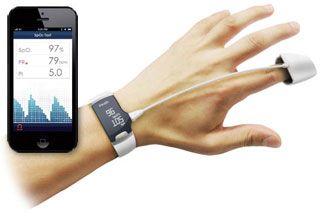
Over the past decade and beyond, technology has increasingly become part of our lives, gaining functions as its form factor has shrunk in size. Until recently, however, the focus has been on helping us get a clearer view of the world “out there”. Constantly evolving technology has allowed individuals to research, learn, stay-up-to-date and communicate in new and ever-deeper ways – but will the next frontier be within ourselves? Technology is poised to start looking in, rather than helping us to look out. The latest tech trends help us to monitor ourselves. Read in full
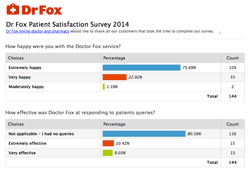
Dr Fox has undertaken an independent customer satisfaction survey for 2014, the results of which continue to confirm our commitment to providing the best service possible is recognised by our customers.
96.31% of people were either ‘extremely happy’ (78.34%) or ‘very happy’ (17.97%) with the Dr Fox service and 92.17% said they were ‘very likely’ or ‘extremely likely’ to use our service again.
The full survey results are available to view here.
We would again like to thank all our customers that took the time to respond to our survey this year. Read in full

 Have you ever wondered just how free healthcare got so expensive? Looking back at the end of a month or year, many people are shocked to find how health-related expenses have added up, despite the NHS. Never fear, here we’ll list some entitlements that you might pursue and other convenient secrets to keeping your health expenses low:
 With the introduction of online symptom checkers, many people are using the web to diagnose anything from a cold to cancer, but nothing replaces a trip to your doctor. However,

 Probiotic products claim to introduce ‘good’ bacteria to the gut (the intestines below the stomach) to help maintain a healthy digestive system. The use of probiotics has grown in recent years with brands such as Yakult and Actimel occupying significant sections of our supermarket shelves – and 60% of British households buy probiotics regularly.
 Over the past decade and beyond, technology has increasingly become part of our lives, gaining functions as its form factor has shrunk in size. Until recently, however, the focus has been on helping us get a clearer view of the world “out there”. Constantly evolving technology has allowed individuals to research, learn, stay-up-to-date and communicate in new and ever-deeper ways – but will the next frontier be within ourselves? Technology is poised to start looking in, rather than helping us to look out. The latest tech trends help us to monitor ourselves.