For pricing and information please click the button below: Buy treatment
The so-called ‘weekend pill’ will soon be made by generic manufacturers, as Eli Lilly’s patent on the drug is expected to expire in the UK 14 November 2017, and will be made available soon after from Dr Fox.
The patent for Cialis expired in March 2015 in Brazil, and is now available in that country as generic tadalafil from Sandoz.
Cialis comes onto the scene
Containing the active ingredient tadalafil, Cialis was introduced to the market in 2003, to compete with Pfizer’s erectile dysfunction medicine Viagra. It was originally developed to relieve frequent urination or weak flow of urine in patients with enlarged prostates, but it also helps increase blood flow to the penis. Read in full
Club drugs include Ecstasy (MDMA), the ‘date rape drug’ (Rohypnol), Crystal meth or Speed (Methamphetamine), acid (LSD), Special K (Ketamine) and Poppers (amyl nitrates). Increasingly the dangers of these drugs are escalated by taking more than one at the same time.
Typically taken at raves, parties, and clubs, these drugs are used to enhance or distort sensations and perceptions, to feel euphoric, and experience greater enjoyment. They are perceived to increase self-confidence and physical energy.
Of course these drugs are illegal for a reason. They have adverse effects and can be dangerous, even fatal. Problems arise from toxicity due to excessive dose, from interactions, and due to impurities. Illegal drugs are not monitored for quality. Read in full
When Viagra lost its patent on sildenafil in June of 2013, generic manufacturers were then licenced to produce the active chemical component of Viagra, sildenafil citrate, now commonly referred to as just sildenafil.
As the drug became less expensive, an increasing number of men have been able to use it, and their experiences are of interest to many new patients who have been prescribed sildenafil, or would like to find out more about it. Read in full
Which websites do you tend to hang out on? Chances are you often find yourself jumping from one social media site to the next – a recent report states that Britons spend an average of about 1 hour and 20 minutes on social media networks per day, which accounts for a significant percentage of the time we spend online as a whole.
Whether on your laptop, desktop, tablet or mobile phone, as you scroll through your feed you often see health-related posts. People post updates on their weight loss journey, their battle with an illness, or even ask their friends and followers questions about a health condition.
But the normal venues may not be the most relevant outlets for health-related conditions. You may want to migrate over to a health-focused social network to get specific answers to your questions and support from others experiencing the same health issues. Read in full
Cialis is an increasingly popular alternative to Viagra/sildenafil and is known as ‘the weekend pill’ due to it’s prolonged duration of action (36 hours). The option to take a low dose daily tablet also suits many men. Read in full
Both Viagra and sildenafil are widely used to treat erectile dysfunction. In fact, they contain the same active ingredient. Viagra is a brand name for the sildenafil produced and sold by the company Pfizer. Sildenafil is also sold as a generic drug, which is medically identical to Viagra.
Sildenafil citrate was created in 1989 by British scientists Albert Wood and Peter Dunn as a possible treatment for hypertension and angina; conditions associated with coronary heart disease. In 1991 Dr. Nicholas Terrett, now often referred to as the father of Viagra, was named in the British patent for the drug as a heart medication. And though Pfizer’s early trials of the drug in the 1990s did not prove its efficacy as a heart medication, patients who took part in the clinical trials reported increased erections after taking sildenafil. Separate studies provided more information on the biochemical process that causes erections, which helped scientists understand how sildenafil could enhance the effects of sexual stimulation and open up blood vessels in the penis. Sildenafil was then studied in men with erectile dysfunction, and in 1998 it was approved by the FDA specifically for treatment of ED and branded as Viagra. Read in full
Antibiotic resistance is one of our biggest threats
It is already happening and is just as great an issue as climate change and world hunger. To slow resistance we need to cut overuse and misuse of antibiotics. Read in full
Cystitis and thrush are not normally serious health conditions, and can be treated with relative ease. A quick round of antibiotics can clear up cystitis, while vaginal thrush can be treated with a single-dose capsule, pessaries or cream. But, anyone who suffers from recurring episodes from either of these conditions can attest that it’s never fun to feel the first pangs of an infection coming on. They can be painful, and it’s a ‘pain’ to have to locate the medicines to treat them.
Certain lifestyle changes can help stave off cystitis and thrush before they start, and if you’re a woman who is prone to one or both of them, it pays to learn more about non-medical preventative measures. Read in full

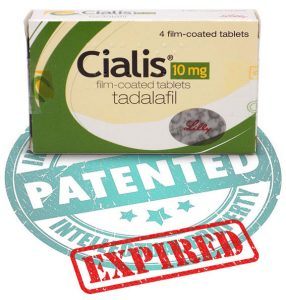 The so-called ‘weekend pill’ will soon be made by generic manufacturers, as Eli Lilly’s patent on the drug is expected to expire in the UK 14 November 2017, and will be made available soon after from Dr Fox.
 Club drugs include Ecstasy (MDMA), the ‘date rape drug’ (Rohypnol), Crystal meth or Speed (Methamphetamine), acid (LSD), Special K (Ketamine) and Poppers (amyl nitrates). Increasingly the dangers of these drugs are escalated by taking more than one at the same time.
 When Viagra lost its patent on sildenafil in June of 2013, generic manufacturers were then licenced to produce the active chemical component of Viagra, sildenafil citrate, now commonly referred to as just sildenafil.

 Both Viagra and sildenafil are widely used to treat erectile dysfunction. In fact, they contain the same active ingredient. Viagra is a brand name for the sildenafil produced and sold by the company Pfizer. Sildenafil is also sold as a generic drug, which is medically identical to Viagra.

 Cystitis and thrush are not normally serious health conditions, and can be treated with relative ease. A quick round of antibiotics can clear up cystitis, while vaginal thrush can be treated with a single-dose capsule, pessaries or cream. But, anyone who suffers from recurring episodes from either of these conditions can attest that it’s never fun to feel the first pangs of an infection coming on. They can be painful, and it’s a ‘pain’ to have to locate the medicines to treat them.