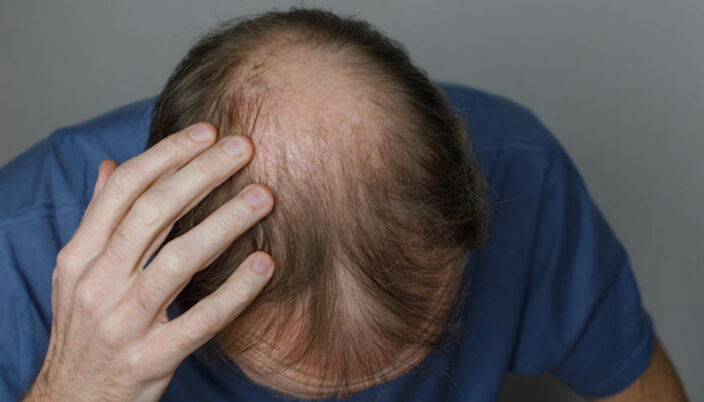
Male hair loss is incredibly common, but that doesn’t make it any less frustrating. Whether you’re noticing thinning on the top of your head, a receding hairline, or more hair shedding than usual, understanding what’s happening is the first step to managing it.
In this guide, we answer the most searched questions around male hair loss — including what causes it, whether stress plays a role, and what treatments are available.
What are the main reasons for male hair loss?
The most common cause of male hair loss is male pattern baldness, also known as androgenetic alopecia.
This condition is driven by a hormone called DHT (dihydrotestosterone). DHT is a derivative of testosterone and drives male development, including prostate growth, libido, voice deepening, and body hair. However it can also cause hair follicles that are susceptible to it, to shrink and the hair growth cycle to shorten.
Over time, this leads to:
Thinner, weaker hair
Slower regrowth
Eventually, hair stopping growing altogether
Genetics play a major role, as how sensitive the hair follicles are to DHT is largely inherited, which means if hair loss runs in your family, you’re more likely to experience it too.
Age is another factor, as hair growth naturally slows down over time.
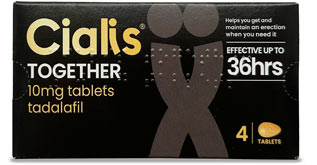
On 14 March 2023, the UK Medicines regulator (MHRA) approved an application to reclassify the erectile dysfunction medication Cialis. When marketed as Cialis Together (tadalafil 10mg), it will be a ‘P’ (pharmacy) medication, and so available ‘over the counter’ in pharmacies – see MHRA reclassifies Cialis Together tablets to a Pharmacy medicine – GOV.UK. This follows the 2018, ‘P’ classification of Viagra Connect (sildenafil 50mg) which has been available OTC, without a prescription, since then.
This decision is good news for men’s health …. Erectile dysfunction can be a debilitating condition, so it’s important men feel they have fast access to quality and legitimate care
Dr Laura Squire, MHRA’s Chief Officer for Healthcare, Quality and Access
When the cold winds start to blow, out comes the winter health advice too. But which of these commonly held beliefs are based on fact and which ones are myth? Read in full
It’s something you probably wouldn’t even discuss with your best mates, let alone face the embarrassment of describing it to a doctor, which makes thrush the perfect condition to treat through an online consultation.
Do you have thrush?
Thrush manifests itself in men as soreness, inflammation, or itching usually at the head of the penis. It can also cause discharge. First-time sufferers should seek a professional diagnosis, as the condition shares symptoms with certain STIs and you’ll want to rule these out before beginning treatment. Those with compromised immune systems should also ensure they consult with their GP, as the infection could progress to invasive candidiasis. Read in full
Priapism is a medical condition in which the penis becomes continuously erect, and usually painful, for a prolonged period of a few hours or more. It is a medical emergency, which if untreated can lead to permanent damage to the penis. A single episode can affect the future capacity to achieve erections.
During an episode of priapism the shaft of the penis will be hard and sometimes painful. The head of the penis may remain soft. Read in full
A trip to the doctors is a task many people will put off. Whether it’s a fear of potential embarrassment, reluctance to take time off work, or the worry that something could be seriously wrong, going to your GP is often bottom of your to-do list.
But everyone needs a health MOT every now and then, and as you get older, this becomes even more important.
There are several online health checks, which you can do in the comfort of your own home and will give you a good idea on how your body is doing. Your body will nearly always give clear warning signs if something is wrong, so it’s up to you to listen to them.
Although these tests should not replace a trip to the doctors, they allow you to test your health more regularly and spot potential problems more quickly. Read in full





 It’s something you probably wouldn’t even discuss with your best mates, let alone face the embarrassment of describing it to a doctor, which makes thrush the perfect condition to treat through an online consultation.