
Finasteride is one of the most commonly prescribed treatments for male pattern hair loss, but how effective is it at encouraging regrowth? For those concerned about thinning hair or a receding hairline, it’s natural to ask whether the medication can restore density, prevent further shedding, and what side effects may occur.
This blog explains how finasteride works, what results can realistically be expected, and addresses common questions such as whether it can help regrow hairline, can it cause weight gain, and can it cause hair loss.
How Finasteride Works
Finasteride 1mg reduces levels of dihydrotestosterone (DHT), the hormone responsible for shrinking hair follicles in men with androgenetic alopecia. By lowering DHT levels in the scalp, the medication helps prevent further hair loss and can promote regrowth where follicles remain active.
It is taken once daily and is intended for long-term use.

Can Finasteride Regrow Hair?
Clinical evidence shows that finasteride is effective at both slowing hair loss and promoting regrowth:
- After five years of continuous use, nine out of ten men had maintained or increased the amount of hair they had at the start of treatment.
- Improvements typically become noticeable after 4–6 months.
- Maximum benefit is usually seen after 1–2 years of daily use.
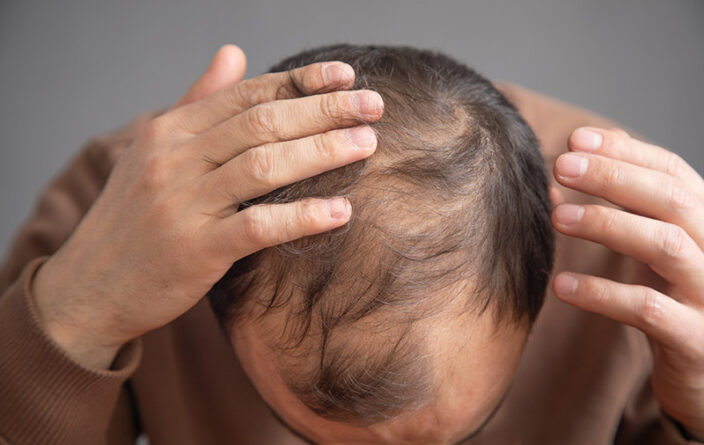
Finasteride is most effective in men with thinning at the top (vertex) of the scalp. It is not designed to restore hair in areas that are already completely bald.
Can It Help Regrow the Hairline?
Many people search for finasteride to regrow hairline specifically. While some individuals may notice improvement in the frontal area, the medication has not been proven to reverse loss at the hairline or temples. Results in these regions are less predictable than on the crown.
Starting treatment early, before the follicles become inactive, offers the best chance of preserving density and slowing further recession.
Can It Cause Weight Gain?
The question “can it cause weight gain” is a common concern for new users. Weight change is not listed as a known or expected side effect of finasteride. Any changes in weight are more likely to be linked to diet, lifestyle, or other health factors.
Anyone experiencing unexpected physical changes while taking finasteride should seek medical advice.
Can It Cause Hair Loss?
Another frequent concern is “can it cause hair loss”. The purpose of finasteride is to reduce shedding and stabilise thinning, but a small number of users may notice temporary shedding shortly after starting treatment. This is usually part of the normal hair growth cycle, as older hairs are replaced by newer ones.
Initial shedding typically subsides as treatment continues and is often followed by visible stabilisation or regrowth.
Treatment Duration and Maintenance
Finasteride must be taken consistently to be effective:
- Results generally begin to appear after 4–6 months.
- If treatment is stopped, benefits begin to reverse within 6 months and return to baseline by 9–12 months.
Long-term use is required to maintain the results achieved.